AI | Leadership | Strategy
The Phoenix Protocol: Re-Architecting the $10B Human-Agentic Holarchy

In the agentic era, traditional hierarchies are no longer competitive. They are structural liabilities. The Phoenix Protocol is the enterprise AI transformation framework that addresses this directly: a six-step architecture to evolve the $10B enterprise into a Human-Agentic Holarchy where autonomous AI agents and human judgment operate in a seamless, fluid architecture.
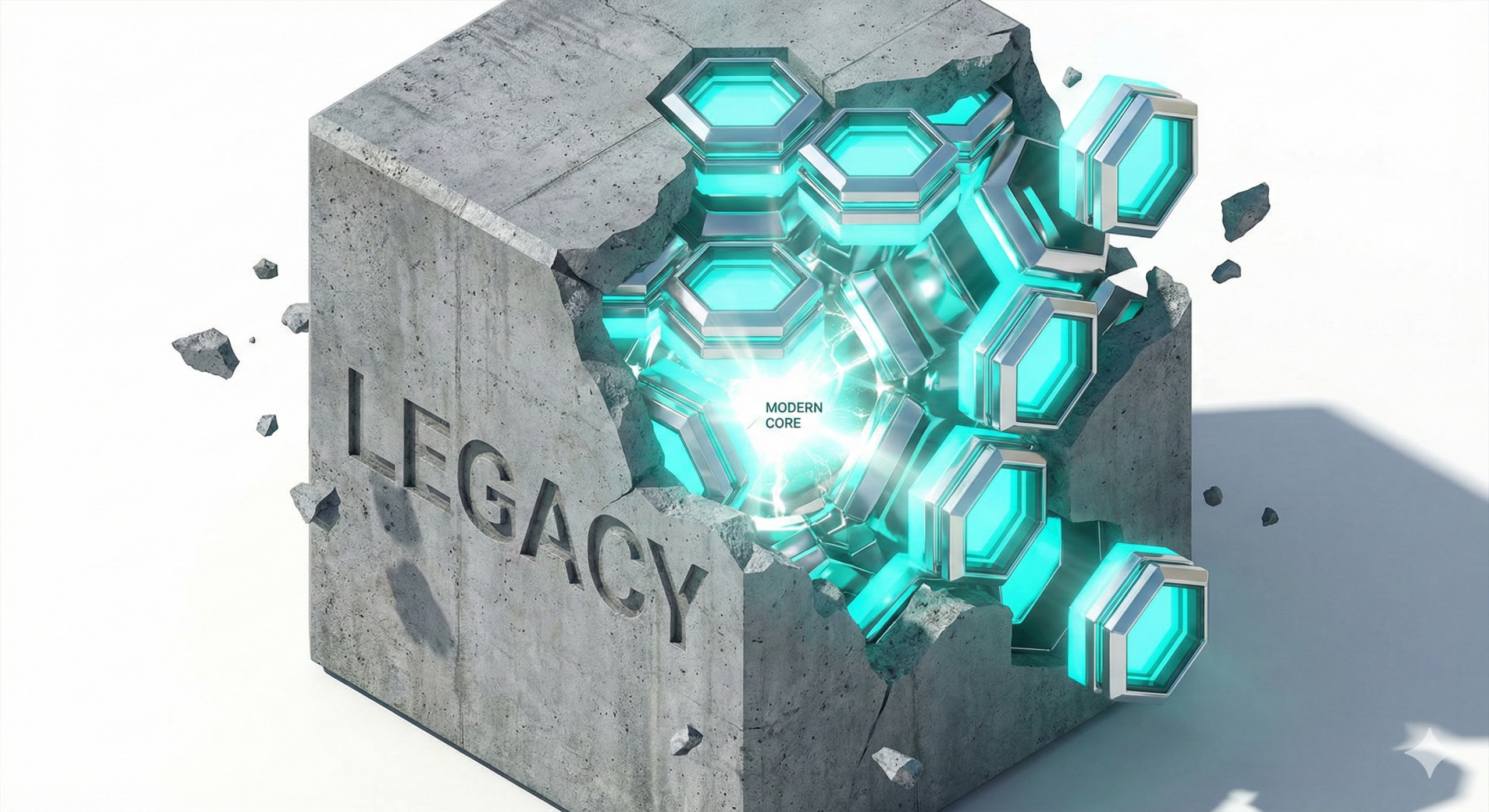
The Re-Architecture Mandate is not merely “digital transformation.” It is the surgical decoupling of value from legacy debt. By applying the Phoenix Protocol, leaders can rebuild their core engine mid-flight, so that velocity of rebirth becomes the primary competitive moat.
The holarchic mandate: Key takeaways
Structural decoupling
Isolate AI-native units from legacy budgetary lines to eliminate the friction of inertia drag that neutralizes innovation in its infancy.
The strangler protocol
Wrap legacy systems in agentic interfaces, redistributing authority until the legacy core is fully transitioned without pausing operations.
Holarchic yield
Transition from “utilization” metrics to node revenue, allowing established enterprises to achieve the velocity of an AI startup.
The greatest threat to a $10B enterprise is not the competition. It is the hallucination of stability.
The architecture gap: when enterprise AI transformation stalls at the front-end
In the agentic era, the market is witnessing a “glitch in the matrix” for legacy leadership. Organizations routinely allocate significant capital to transforming their front-end while the core engine remains tethered to pre-AI architectures. As a result, this creates a critical friction where the Market Change Rate (MCR) rapidly outpaces the Organizational Learning Rate (OLR).
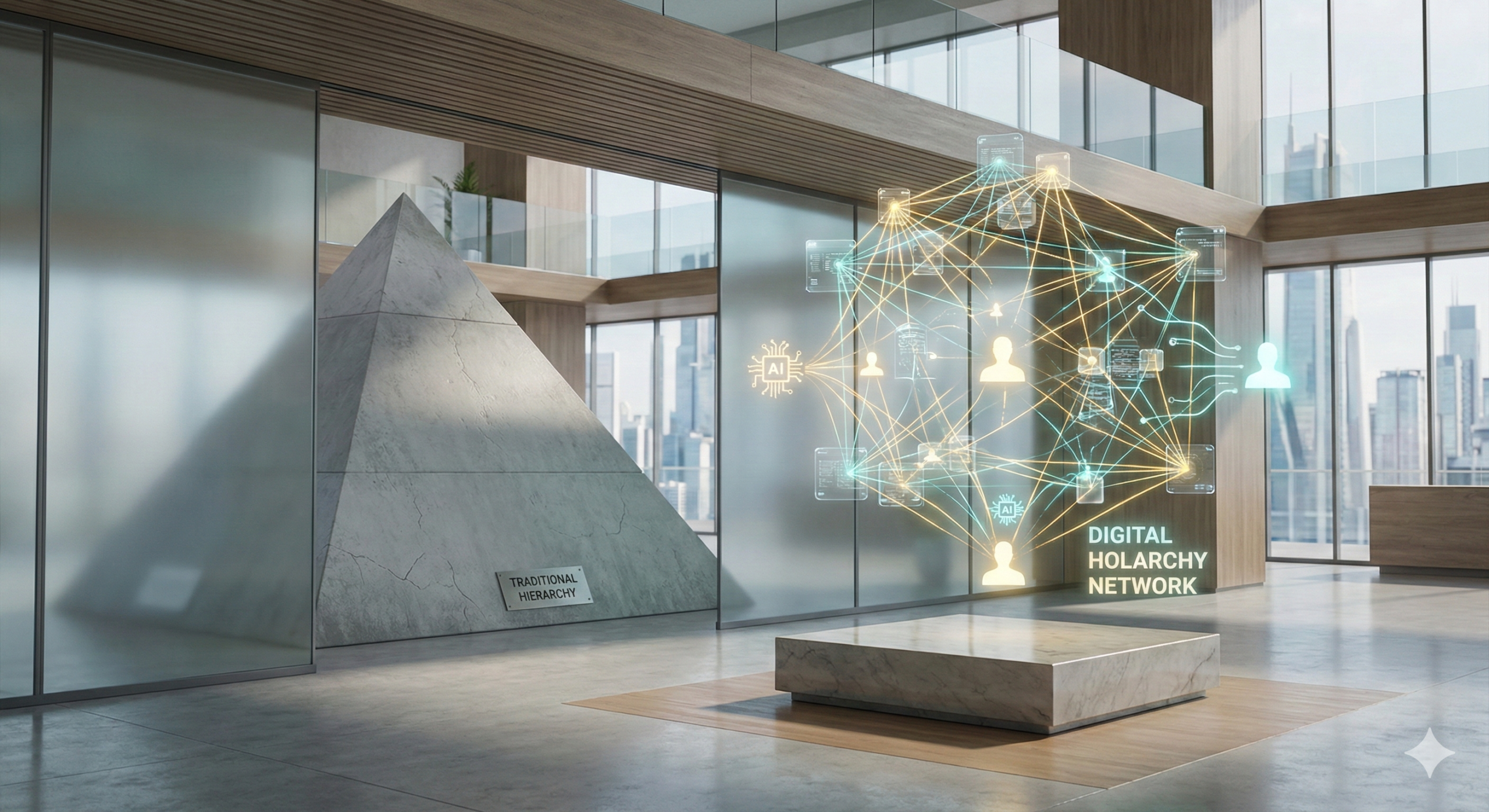
To bridge this gap, leadership must shift from maintaining legacy structures to redesigning the holarchy. High-velocity firms are no longer monolithic. Instead, they are fluid networks where humans and AI agents interact with zero latency. Indeed, the Phoenix Protocol serves as the enterprise AI transformation flight manual: a method to surgically dismantle the anchors of the past and power the rebirth of the future.
“The most resilient organization is not the one with the most capital; it is the one where the velocity of rebirth generates more thrust than the legacy engine generates drag.”
Strategic alignment: The Phoenix survival equation
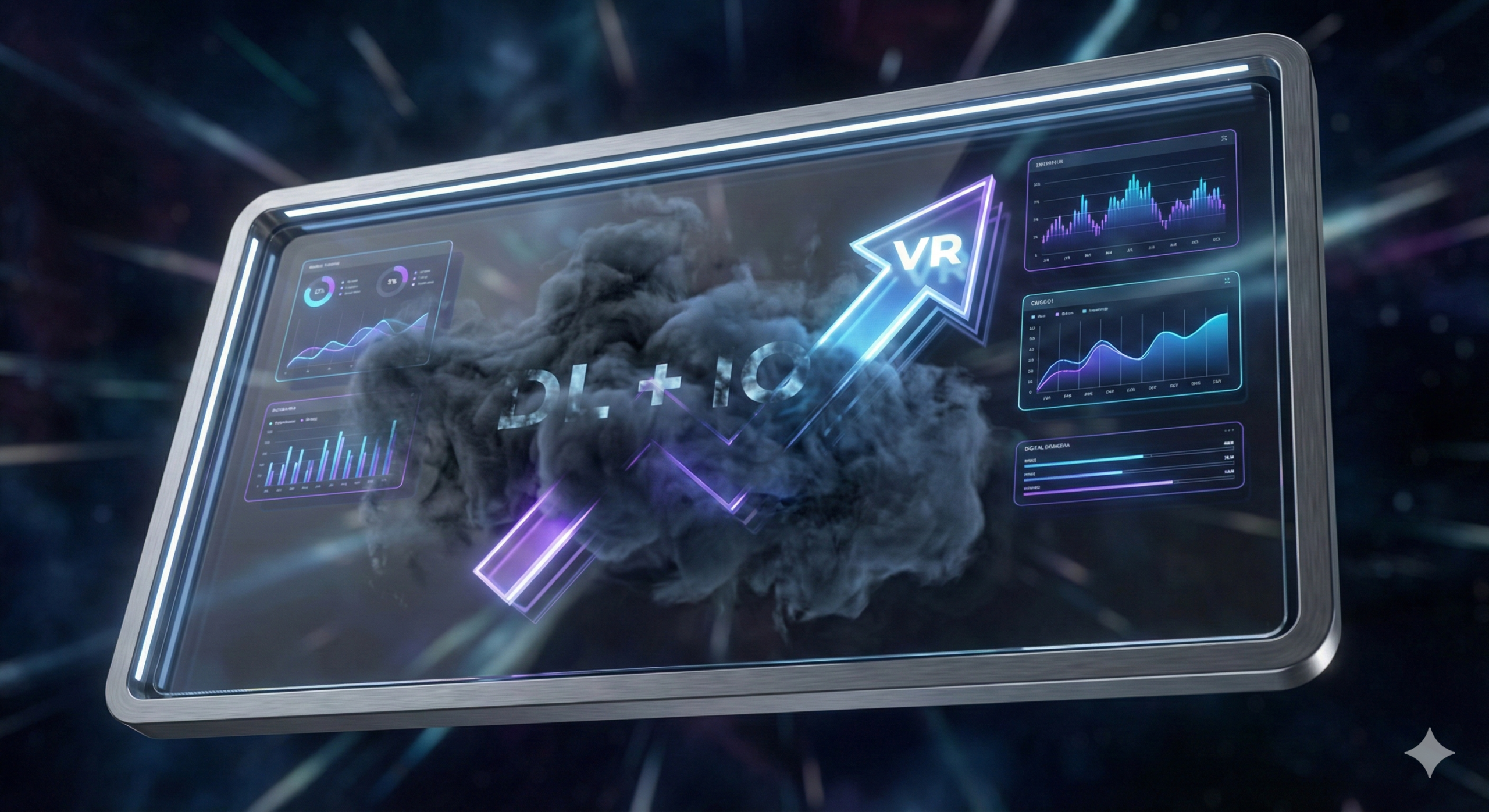
The formula for organizational flight: The Velocity of Rebirth (VR) must exceed the sum of Legacy Decay (DL) and Inertia (IO).
The Phoenix Protocol architecture
01. Isolation protocol
The objective: Secure the node network. Because cultural and budgetary “immune response” will neutralize new AI-native logic, you must quarantine the Phoenix team from legacy silos before it can take root.
Playbook action: For example, establish a separate legal or budgetary entity (“NewCo”) with an independent profit and loss and direct board-level reporting.
Architectural result: Eliminates the gravity of legacy by protecting new AI-native logic from being absorbed by old cost centers.
02. Technical wrap (the strangler)
The objective: Decouple data from UI. Instead of migrating databases, transition to “orchestration” so that operational flight continues uninterrupted during the rebuild.
Playbook action: Deploy an API-first coordination layer over legacy backends. Rather than migrating the database, wrap it in an agentic interface.
Architectural result: As a result, the holarchy can use legacy data with the speed of an AI-native interface without the risk of a “big bang” failure.
03. Budgetary decoupling
The objective: De-risk innovation. Because traditional ROI metrics kill long-term rebirth projects, you must shift to “venture governance” before the new engine is strangled at birth.
Playbook action: Also, implement milestone-based funding. Allocate capital based on agentic adoption rates rather than quarterly revenue growth.
Architectural result: Facilitates high-velocity iteration by decoupling the Phoenix engine from the short-term constraints of the legacy profit and loss.
04. Talent bridge protocol
The objective: Mitigate knowledge loss. Identify and secure the key intellectual nodes (SMEs) your organization needs for the agentic era before they disengage.
Playbook action: Instead of keeping top talent anchored to legacy maintenance, transition your top 5% “architectural minds” into the new holarchy with equity-like incentives and zero legacy responsibilities.
Architectural result: Prevents the brain drain that occurs when elite talent feels anchored to a sinking legacy ship.
05. Data integration push
The objective: Refuel the engine. Legacy data is the unique fuel for your organization’s future autonomous logic, and it is already sitting in your existing systems.
Playbook action: Also, map every legacy database field to a Human-Agentic Knowledge Graph. Then, ensure the old engine is feeding the new agentic brain in real-time.
Architectural result: Converts technical debt into a competitive training moat, making the new holarchy smarter than any external competitor.
06. The sunset mandate
The objective: Force systemic exit. To achieve a pure holarchy, you must formally decommission the legacy “zombie” departments.
Playbook action: Once the Phoenix engine handles 20% of core transactions, establish a mandatory disable schedule: one legacy feature decommissioned per month.
Architectural result: As a result, this eliminates the “dual engine” cost burden permanently, finalizing the transition to a high-velocity, $1M+ revenue-per-node organization.
Forensic report: Rebirth vs. rigidity
The friction: Intel attempted to build its new foundry business while maintaining the massive overhead of its legacy IDM 1.0 architecture.
Because they failed to decouple the units, legacy inertia bled the new engine dry, resulting in a staggering $16.6B loss in late 2024.
The protocol: Klarna executed a surgical dismantle of its legacy SaaS dependencies (Salesforce/Workday) and eliminated 40% of its middle-management hierarchy.
As a result, revenue per employee skyrocketed to over $1M when they re-architected the company as an agentic holarchy.
The leadership mandate: Sustaining the holarchy
Required behaviors
-
Reward structural exit: When leaders publicly celebrate those who decommission legacy bottlenecks or automate their own manual reporting, the cultural signal is unmistakable.
Systemic risks
-
The “zombie” legacy: Because keeping legacy departments “just in case” signals lack of commitment, it also creates a secondary cost center that bleeds the Phoenix engine.
The surgical exit: Trading legacy sunk costs for agentic flight
Dismantling a $10B giant is not a task of demolition, but one of surgical extraction. To rebuild the engine while flying, you must have the courage to let go of the parts of the plane that are creating drag, no matter how much they cost to build originally.
ACCESS THE EXECUTIVE TOOLKIT
Operationalize the Phoenix Protocol immediately and outpace legacy decay.
- View Deck
The Terminal Deck
The Phoenix Protocol: A 6-step architecture for holarchic rebirth.
- Initiate Audit
The Strangler Audit Agent
A 10-point forensic triage to identify which legacy nodes are ripe for surgical extraction.
- Activate Agent
The Phoenix GEN-Architect
A proprietary AI agent designed to surgically unbundle legacy nodes and generate execution roadmaps.